
Health Benefits of Blueberries
Overview
Blueberries, with their vibrant hue and sweet taste, are not only a delightful treat but also a powerhouse of health benefits. These tiny berries can be enjoyed fresh, frozen, or incorporated into numerous recipes.
Key Points:
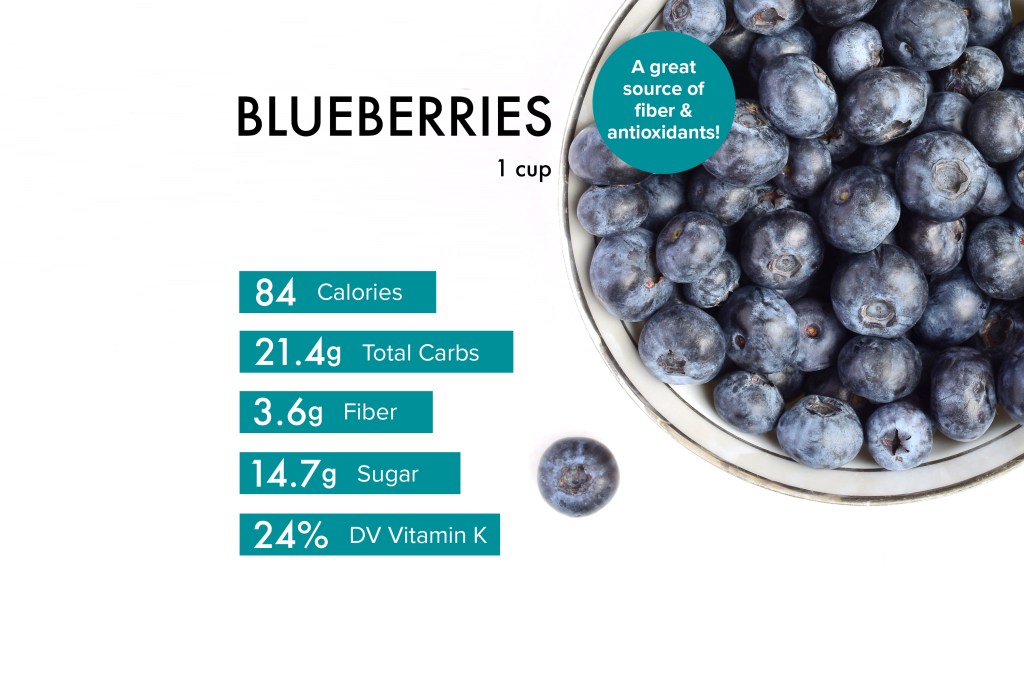
- Rich in Nutrients: A single cup of blueberries offers 24% of the daily recommended vitamin C, and it’s also packed with vitamin B6, vitamin K, calcium, magnesium, and more.
- Heart Health: Blueberries can enhance heart health by reducing cholesterol, preventing the buildup of harmful compounds, and even potentially reducing the risk of heart attacks.
- Cancer Prevention: The antioxidants in blueberries may help ward off or slow down various cancers by protecting cells against damage.
- Bone Health: With their wealth of essential minerals and vitamins, blueberries contribute to building and maintaining robust bone structure.
- Skin Benefits: Blueberries, rich in vitamin C, support collagen production, helping to maintain skin’s elasticity and prevent damage.
- Blood Pressure Regulation: These berries are sodium-free and contain minerals like potassium, calcium, and magnesium, all beneficial for maintaining healthy blood pressure.
- Diabetes Management: High in fiber, blueberries might assist in improving blood sugar levels and even potentially reduce the risk of type 2 diabetes.
- Mental Health: Consumption of blueberries has been linked to reduced cognitive decline and improvements in short-term memory.
- Digestive Health & Weight Management: The fiber in blueberries aids digestion, prevents constipation, and can contribute to feelings of fullness, aiding weight loss.
Nutritional Breakdown (per one cup):
- Calories: 84
- Protein: 1.1g
- Fat: 0.49g
- Carbohydrates: 21.45g
- Dietary Fiber: 3.6g
- Sugars: 14.74g
- Notable vitamins and minerals include vitamin C, vitamin B6, vitamin K, calcium, iron, potassium, magnesium, phosphorus, and zinc.
Including Blueberries in Your Diet:
- As toppings for cereals, yogurts, or oatmeal.
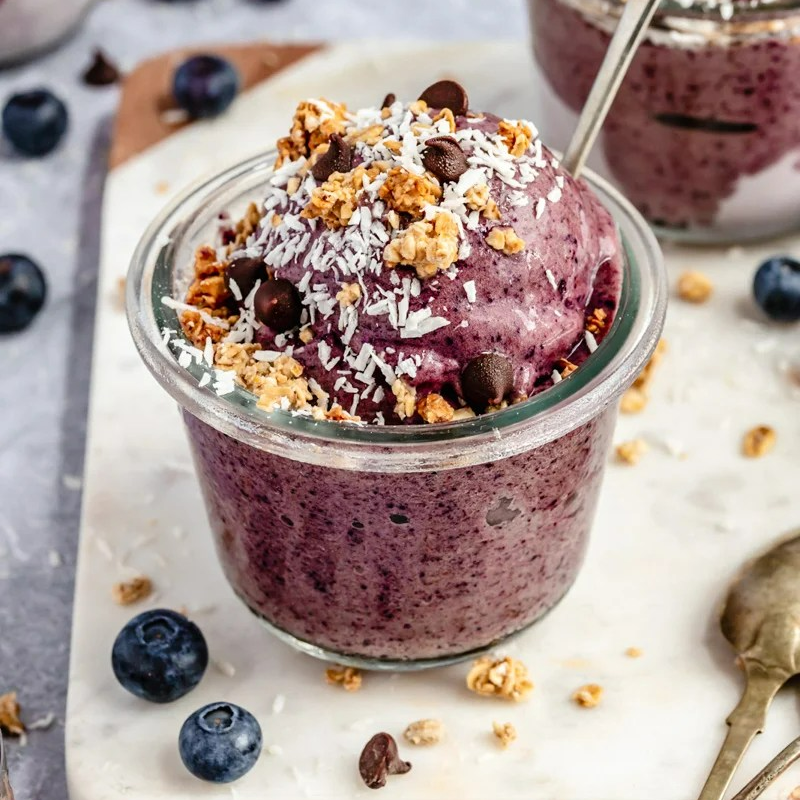
- In smoothies.
- Incorporated in salads, muffins, and bread.
- Made into syrups for desserts.
- As is!
- Check out our favorite healthy recipes here!
Note on Risks: Individuals on blood-thinning medications like warfarin should consult their doctors before significantly altering their blueberry or vitamin K intake.
Medical News Today. “Everything you need to know about blueberries.” Medical News Today, Date of Publication, https://www.medicalnewstoday.com/articles/287710.
Storing Your Berries
In order to maintain the freshness of your blueberries for an extended period, it’s crucial to store them correctly. One key aspect of preserving them is to avoid washing them prematurely. Here’s a guide on how to properly store your blueberries, ensuring they remain at their best.
1. Inspect & Remove:
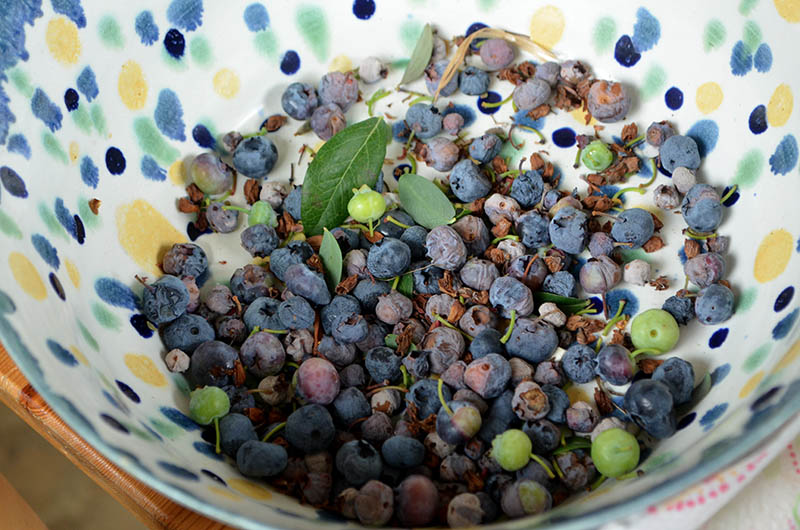
Before storing, quickly inspect the blueberries. Remove and discard any damaged, overripe, or moldy berries to prevent them from affecting the others.
2. Keep Them Dry:
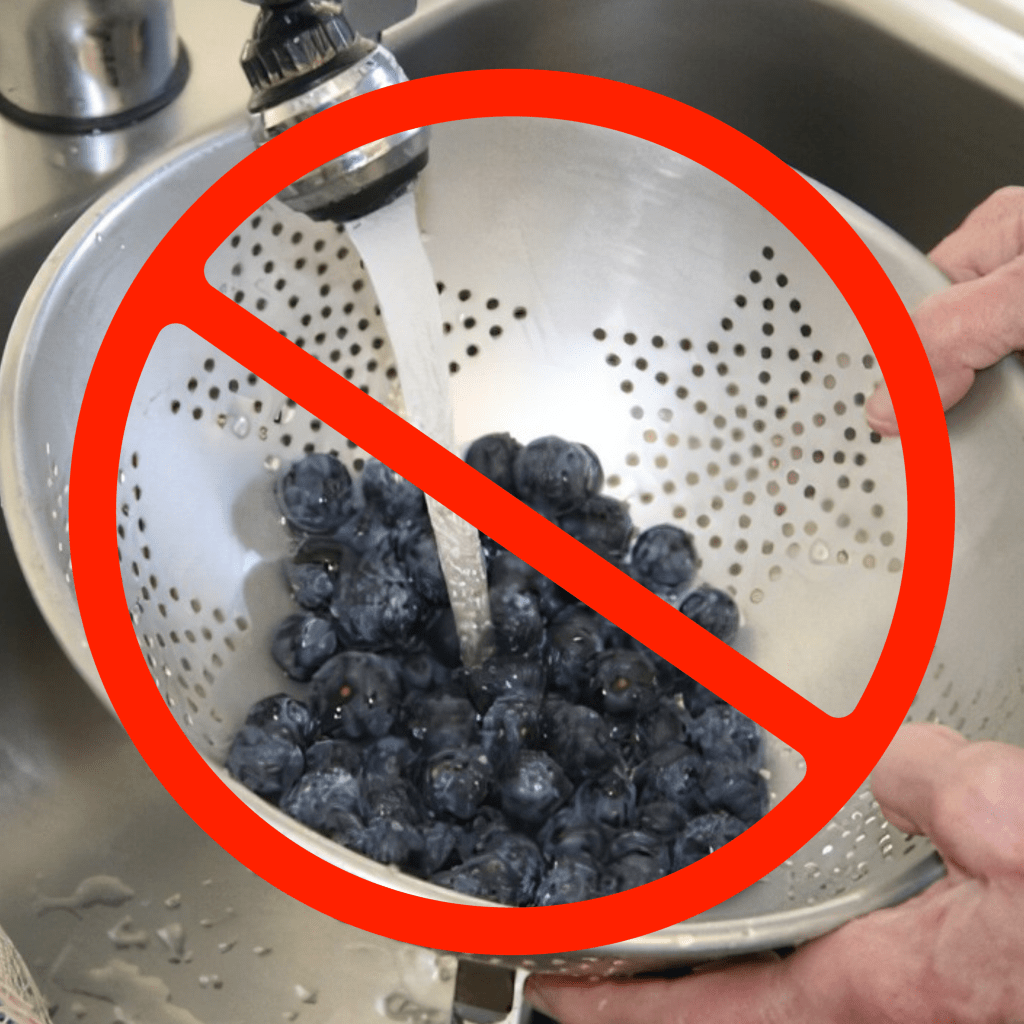
It’s very important not to wash blueberries before storing. Moisture can lead to mold growth and spoilage. Always wait to wash blueberries until right before you’re ready to use them
3.Store in a Breathable Container:
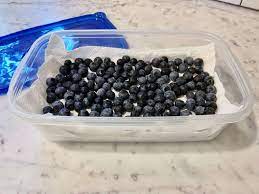
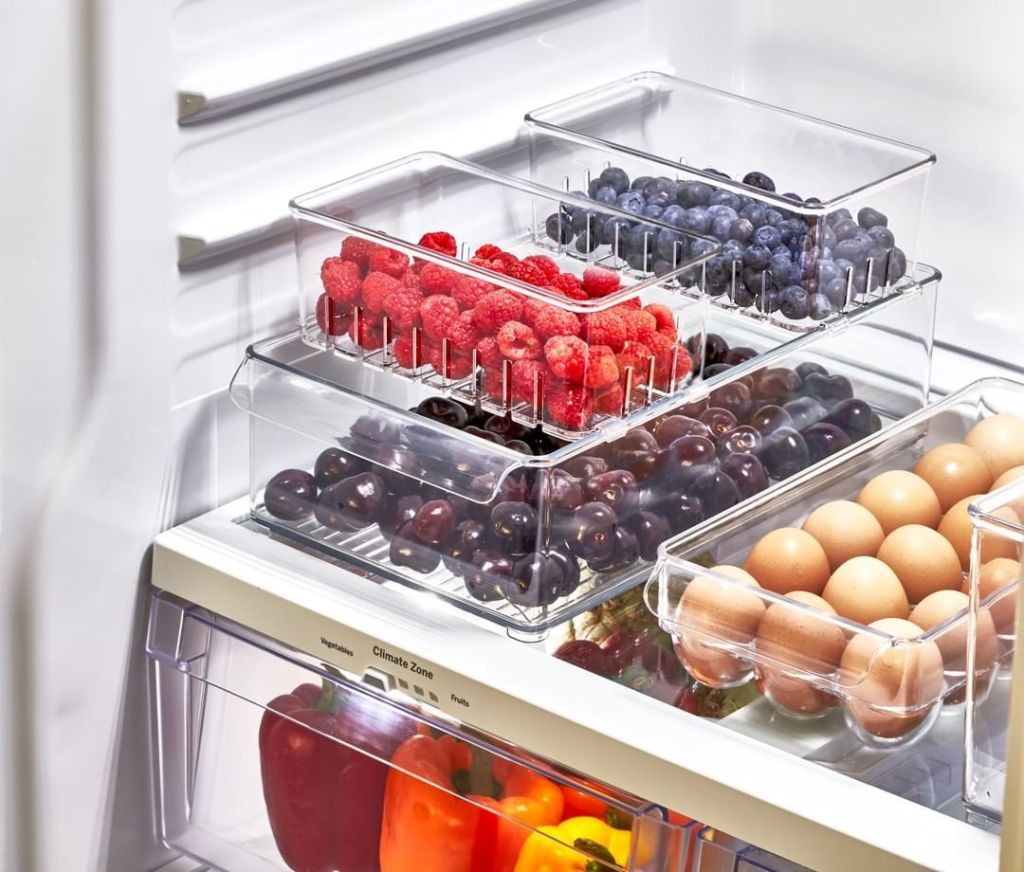
Place the unwashed blueberries in a breathable container or a produce storage container. A paper towel can be placed at the bottom to absorb any excess moisture.
4. Refrigerate:
Store the container in the refrigerator. When stored correctly, blueberries can last up to two weeks. Always remember to wash them just before consumption or use.
Processing Your Berries
Freeze Method
Blueberries are as nutritious as they are delicious. To capture their peak freshness and enjoy them throughout the year, it’s essential to process them correctly. Freezing stands out as the top method to ensure their optimal taste and quality. Here’s a guide on how to properly freeze your blueberries:
1. Fresh Selection: Begin With the Best
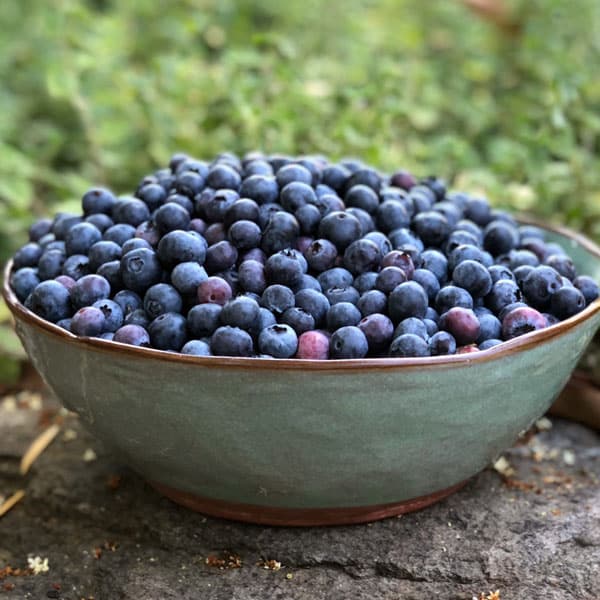
Choose fresh, ripe blueberries. Make sure to remove any leaves, stems, and separate any soft, overripe, or shriveled berries. Starting with quality berries ensures a better outcome post-freezing which is why picking them with us is the best place to start.
2. Pre-Freezing: Avoiding the Clump
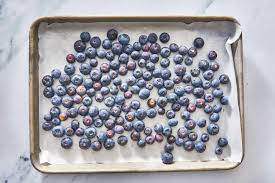
To ensure the berries freeze individually rather than in clumps, spread them in a single layer on a baking sheet lined with parchment paper. Place the tray in the freezer for 2-3 hours or until the berries are firm.
3. Storing: Sealed Freshness
Once the blueberries are pre-frozen, transfer them into freezer-safe bags or containers. Expel as much air as possible, seal tightly, and label with the date. This method keeps track of their freshness during storage.
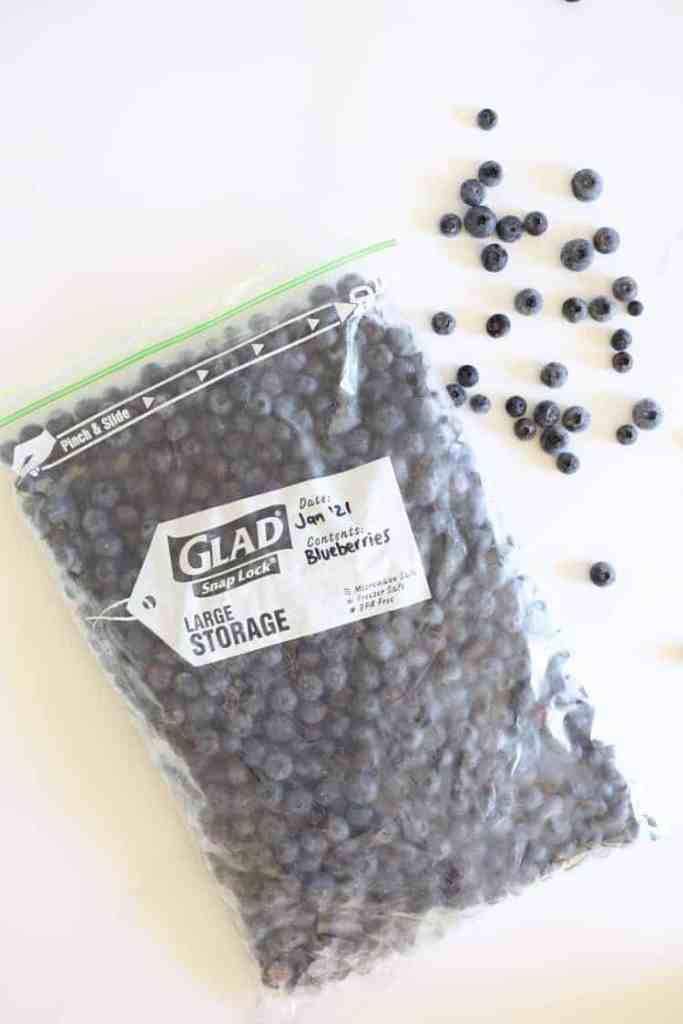
4. Thawing, Washing & Enjoying
When you’re ready to enjoy your blueberries, simply remove the desired amount from the freezer. Let them thaw, then rinse under cold water to clean and refresh them. Whether it’s in smoothies, baked goods, or as a snack, they’re sure to be a treat.

Alternative Processing Methods
Though freezing is our recommended approach, other methods can also preserve the freshness of our berries such as Dehydrating and Canning, which are covered in the following section:
Dehydrate Method
1. Wash and Prepare the Blueberries:
- Using a metal strainer or colander, wash the blueberries under cold water.
- Remove any damaged or overripe berries.
- Soak them briefly in a mixture of equal parts water and vinegar, then rinse again to eliminate microbes.
2. Break the Blueberry Skin:
- Breaking the skin helps in efficient drying. Options include:
- Blanching: Dip berries in boiling water for 30 seconds, then immediately cool them in an ice bath.
- Piercing: Use a toothpick to poke each blueberry.
- Freezing: Freeze berries for a day, then thaw. The freezing process naturally breaks the skin.
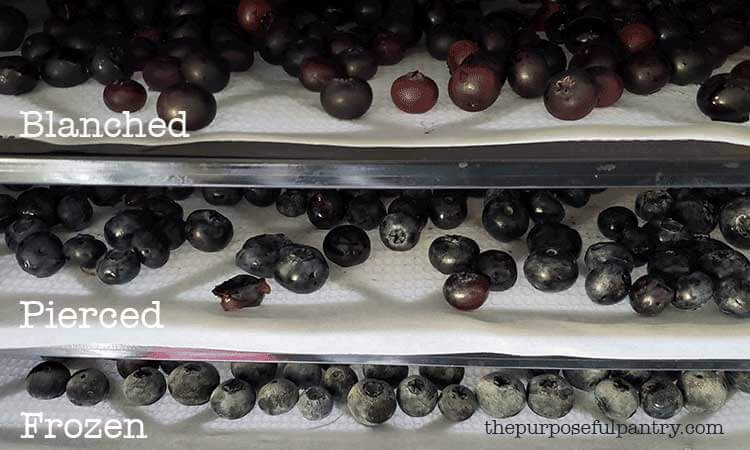
3. Arrange the Blueberries in the Dehydrator:
- Spread the blueberries evenly, ensuring some space between each one for airflow.
- Set the dehydrator to 135 degrees Fahrenheit and place the tray inside. Depending on the blueberry size and dehydrator type, drying might take 8 to 12 hours.
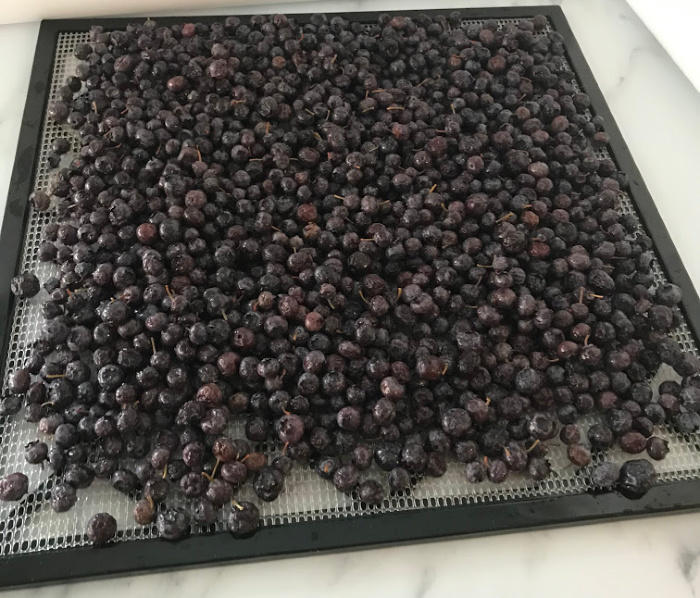
4. Check and Store the Dehydrated Blueberries:
- After about 6 hours, check the berries, rotate the trays, and continue drying if necessary.
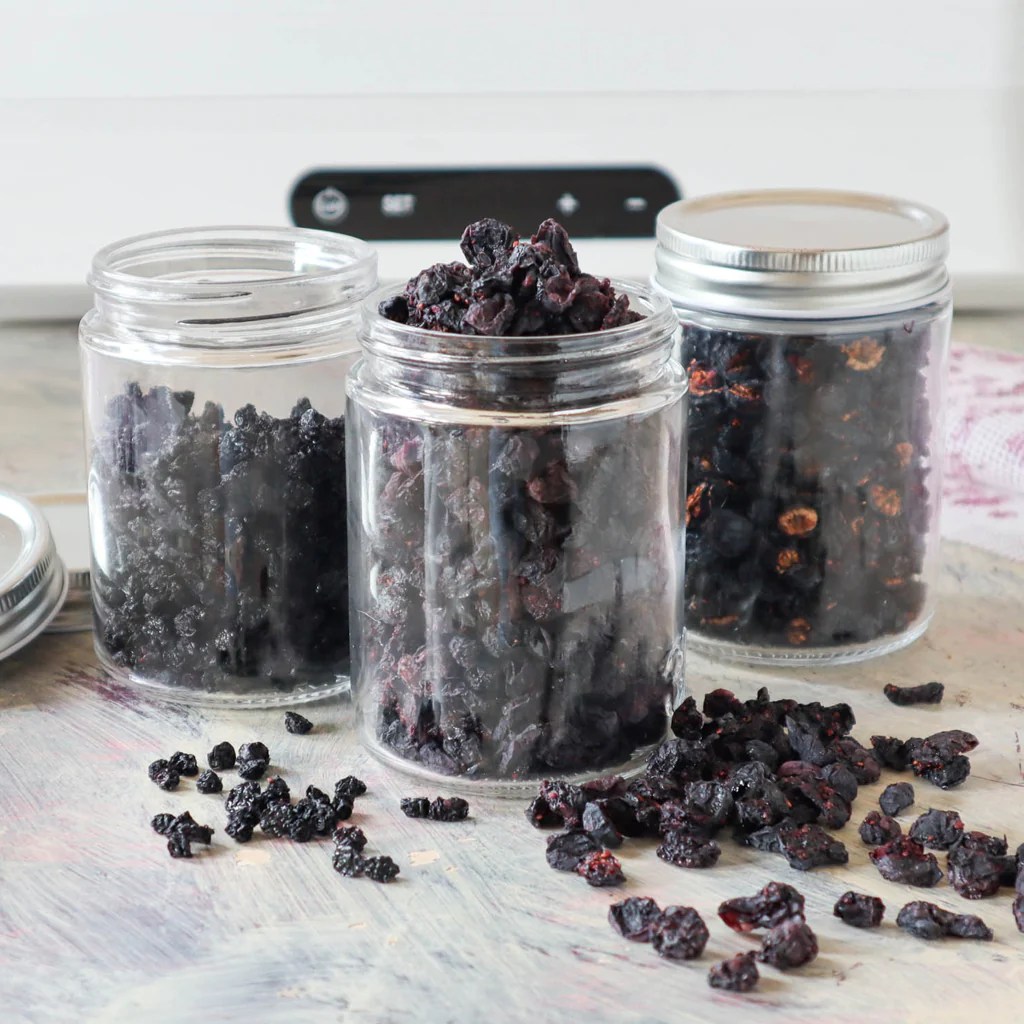
- Once done, allow them to cool for 2 hours. The final texture should be leathery, with no moisture when squeezed.
- Transfer the dried blueberries to an airtight container, such as a mason jar, for storage. If moisture or clumping is noticed later, consider a brief additional drying session.
Canning Method
Always follow USDA guidelines for canning safety.
1. Selecting Blueberries for Canning:
- Choose mature blueberries that are intensely purple-blue or blue-black.
- Discard any that are light green, pale blue, or slimy/mushy.
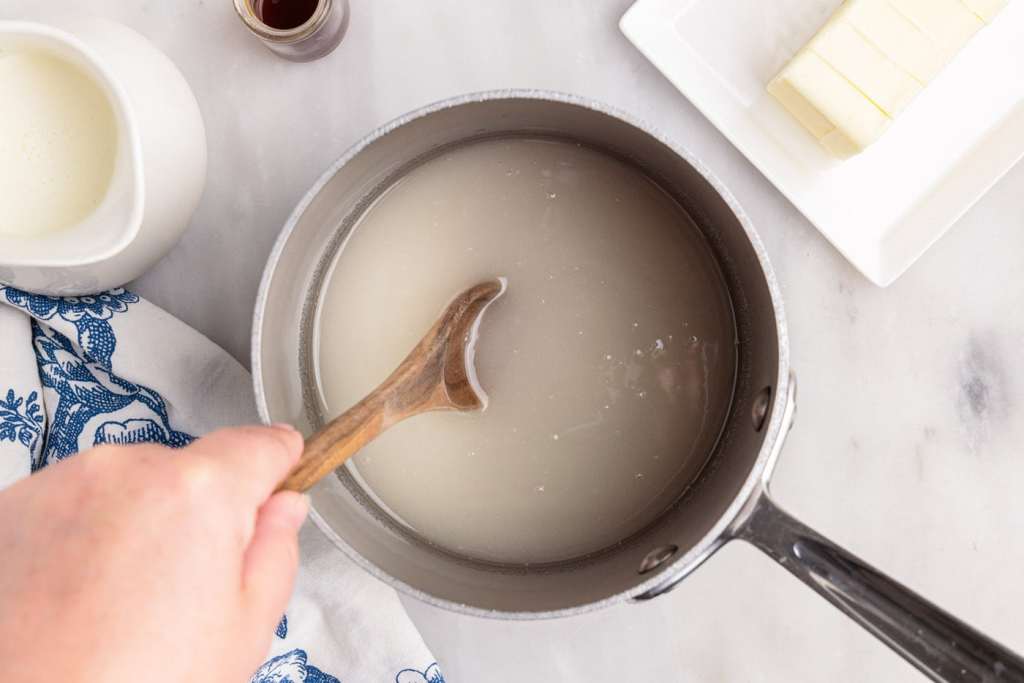
2. Preparing the Syrup:
- Decide on the type of syrup based on desired sweetness. Examples include:
- Extra Light Syrup: Mix 3/4 cups sugar with 6 1/2 cups water for 9 pints, or 1 1/4 cups sugar with 10 1/2 cups water for 7 quarts.
- Light & Medium Syrup: Adjust the sugar and water ratio for a sweeter taste.
- Blueberry Syrup or Fruit Juice: Can be used as alternatives to refined sugar syrups
3. How to Can Blueberries (Hot Pack Method Recommended):
- Hot Pack:
- Boil your chosen canning liquid in a saucepan.
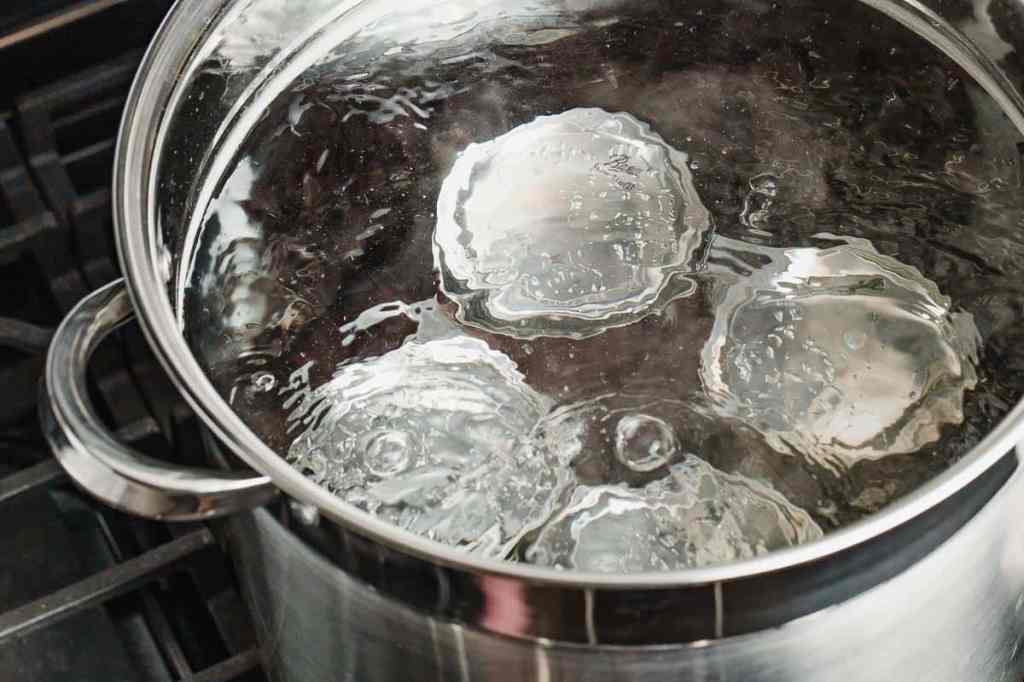
- In another pot, bring water to a boil and add blueberries. Boil them for 30 seconds and drain.
- Fill jars with hot blueberries, then cover with the boiling canning liquid, leaving 1/2-inch headspace.
- Remove air bubbles, wipe rim and seal jars.
- Raw Pack (Alternative Method):
- Boil your chosen canning liquid.
- Fill jars with fresh blueberries, then pour the boiling liquid over them, leaving 1/2-inch headspace.
- Remove air bubbles, wipe rim and seal jars.

4. Water Bath Canning:
- Place filled jars in a boiling water canner. Ensure jars are covered by at least an inch of water.
- After processing, let jars sit in hot water for 5 minutes. Then remove, cool for 24 hours, and check the seal.
5. Storing the Canned Blueberries:
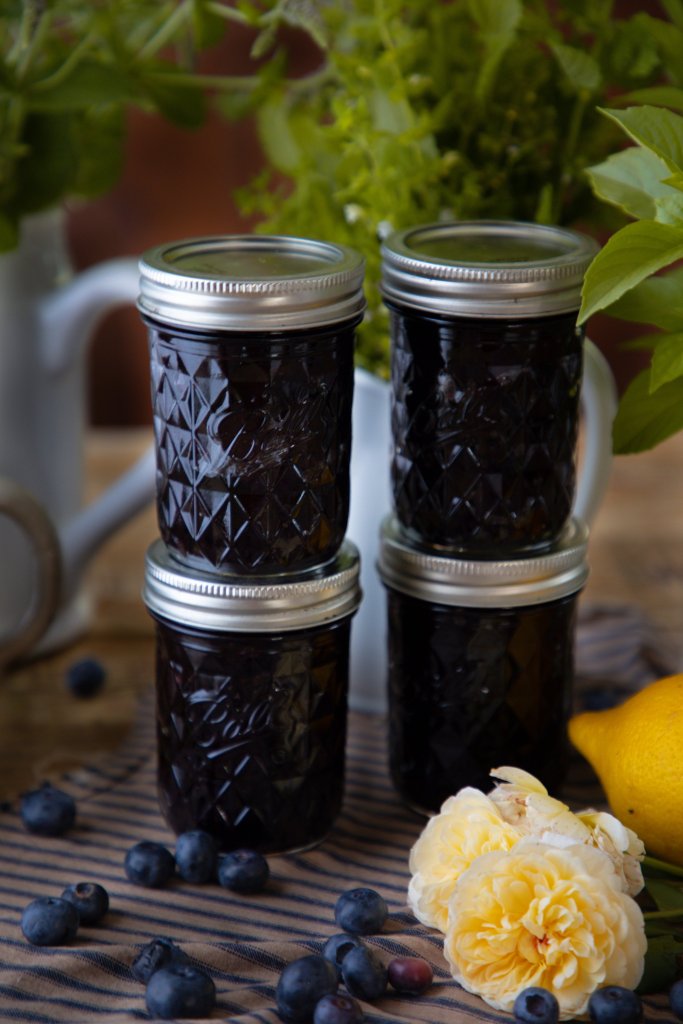
- Store jars in a cool, dry place away from direct sunlight. Properly canned blueberries can last up to 18 months.
 Mother's Meadow